Is IPTV Legal? Understanding IPTV Legality in Canada and Beyond
IPTV has become one of the most talked-about ways to watch live TV and on-demand content, but the question that comes up again and again is simple: is IPTV legal? The short answer is that the technology itself is perfectly legal, but the service you use may not be. This guide breaks down what determines IPTV legality, how Canadian law treats it, and how you can evaluate any IPTV provider before subscribing.

Quick Answer: Is IPTV Legal or Illegal?
IPTV, or internet protocol television, is a technology for delivering television programming over the internet instead of through cable or satellite. The technology itself is legal in Canada and virtually every other country. The legality of any specific IPTV service depends entirely on whether that provider holds the proper licensing and distribution rights for the content it streams.
Some IPTV services are fully legal. They carry broadcasting licenses, have copyright agreements with content owners, and legally deliver television programming to subscribers. Others are clearly illegal, restreaming copyrighted channels and movies without any permission from rights holders.
When people search for “IPTV legal” or ask about IPTV legality, they are really asking about the legal status of a specific IPTV provider or service, not about the apps, streaming devices, or the general concept of live TV over the internet.
This article is written by BestIPTV.blog primarily for readers in Canada, though most principles apply equally in the US, UK, and EU. A few important notes before we go further:
-
This is educational information, not legal advice.
-
Laws around online streaming and copyright can change, so always check current regulations.
-
When in doubt about a specific service, consult a qualified legal professional.
What Is IPTV? (And Why Technology Itself Is Legal)
IPTV stands for internet protocol television. Instead of receiving television channels through a coaxial cable, satellite dish, or antenna, IPTV delivers content over IP networks, meaning your internet connection. That is the only fundamental difference. The shows, channels, and movies can be exactly the same; only the delivery method changes.
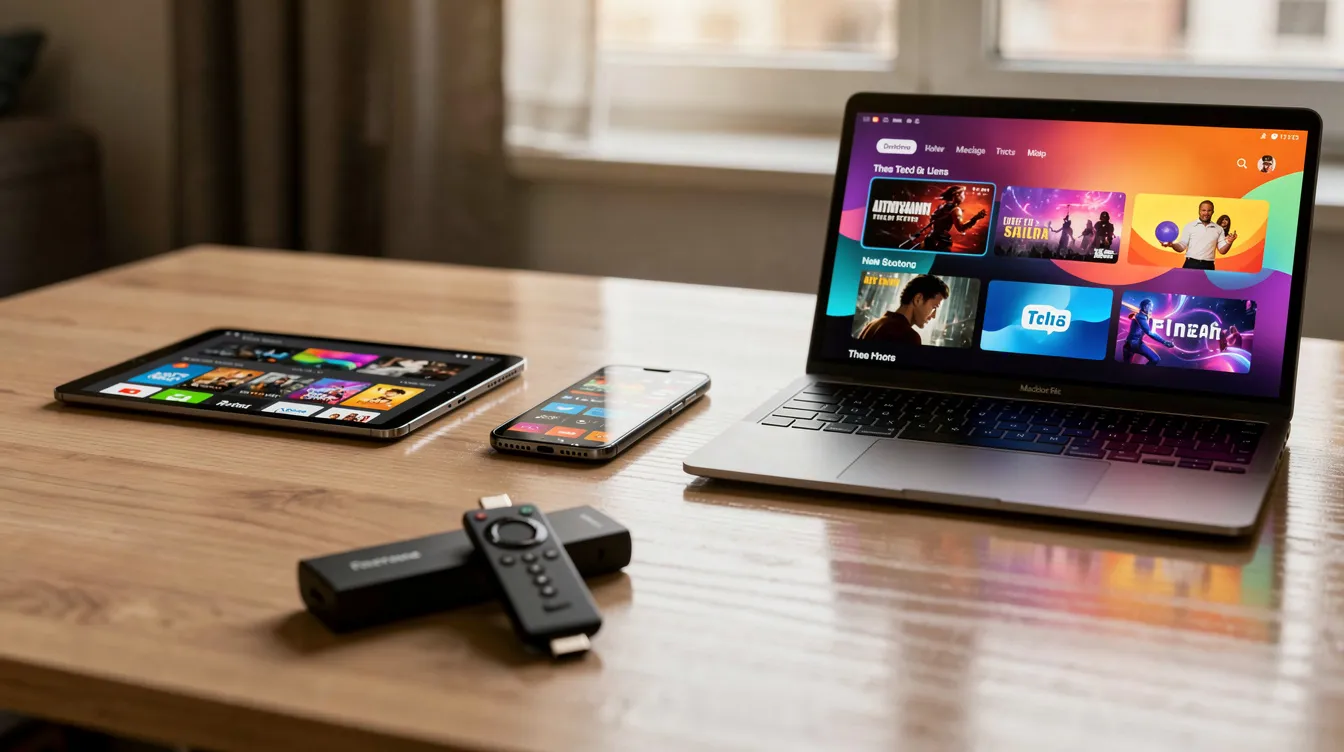
Both legal IPTV services and unauthorized IPTV services can use the same underlying IPTV technology and streaming protocols. Typical IPTV service features include live TV channels, time-shifted TV, catch-up playback, and video-on-demand libraries. IPTV supports live television and on-demand programming and can be viewed on smart TVs, Firestick, Android TV, Apple TV, phones, tablets, and computers.
IPTV technology can be used by both authorized and unauthorized services, which is why the apps and players themselves are usually neutral tools. The same IPTV player can connect to a fully licensed service or to a questionable stream.
-
Major telecoms like Bell, Telus, and Rogers all use IPTV delivery methods legally in Canada.
-
Global brands such as YouTube TV, Hulu Live, and fuboTV use the same type of technology in their respective markets.
-
The distinction is never about the technology. It is always about whether the IPTV service provider has the content rights.
How IPTV Legality Works in Practice
IPTV legality comes down to copyright and distribution rights, not whether your content arrives via a dish, a cable, or the internet. An IPTV provider is legal when it holds contracts or licenses granting it the right to retransmit television channels, movies, and sports to subscribers in specific countries. Licensed IPTV services must have broadcasting licenses and copyright agreements with copyright owners for every piece of content they distribute.
An IPTV service is likely illegal when it restreams premium channels or sports without permission from rights holders, even if users pay a subscription fee. Paying for a service does not make it legal.
Legal IPTV services usually share a few characteristics:
-
They operate under clear company names with published terms of service and billing details.
-
They use recognized, secure payment methods.
-
They sometimes hold national broadcasting licenses or are registered with regulators.
-
Their channel line-ups are realistic for their price point and territory.
A grey area can exist when a service is based offshore, claims to be legal, but offers huge lists of international channels at very low prices. That combination should always trigger skepticism. The legality of an IPTV service ultimately depends on licensing and distribution rights, and if those details are hidden, there is usually a reason.
Is IPTV Legal in Canada? (2025–2026 Overview)
Building on the quick answer above, IPTV technology is legal in Canada. Using a licensed IPTV service is legal for personal streaming. What matters is whether the IPTV service provider has Canadian or international rights to the content it distributes.
Canadian law relevant to IPTV includes two main statutes:
-
The Copyright Act governs IPTV services in Canada and outlines penalties for infringement. It protects TV shows, movies, and sports broadcasts and prohibits unauthorized “communication to the public” over the internet. Unauthorized IPTV services violate copyright laws in Canada.
-
The Broadcasting Act, overseen by the CRTC, regulates broadcasting standards and competition rules. The CRTC and other regulatory bodies enforce these standards, though copyright enforcement itself happens through the courts.
IPTV technology is legal in Canada if providers have distribution rights. IPTV services clearly linked to major cable or telecom operators, or recognized streaming brands, are generally considered legal in Canada. Many offshore IPTV providers targeting Canadians do not appear in CRTC lists, do not publish licensing details, and are more likely to be unauthorized.
Copyright infringement in Canada can carry statutory damages ranging from $100 to $5,000 for non-commercial cases. Canadian courts have the power to issue site-blocking orders against unauthorized IPTV services, and ISPs in Canada may forward copyright infringement notices to users under the notice-and-notice regime.
Enforcement to date has focused far more on operators and resellers than individual viewers. The Arubox case in Quebec, where an operator offered roughly 3,500 channels for about $25 CAD per month and grew to around 7,000 subscribers, ended with the organizer pleading guilty in 2026. But users should not assume enforcement priorities will never shift.
What Makes an IPTV Service Legal vs. Illegal?
The same app can connect to legal or illegal IPTV providers. Legality comes down to content rights. Here is how to tell the difference at a glance.
Traits of legal IPTV services:
-
Published company name, mailing address, and contact information
-
Clear contracts with studios, broadcasters, or content distributors
-
Realistic channel line-ups for the price and territory
-
Pricing aligned with mainstream live TV services
-
Available through reputable app stores like Amazon or Google
-
Legitimate IPTV services provide clear terms of service and billing
Red flags of potentially illegal IPTV services:
-
Thousands of premium channels from multiple countries for under $20/month
-
Payment only via crypto, gift cards, or informal methods
-
No company name, legal imprint, or ownership disclosure
-
Frequent domain or brand changes
-
Instructions to sideload apps because they are banned from major app stores
-
Unverified IPTV services often lack proper licensing agreements
Red flags include services offering suspiciously low prices or no company information. Price alone does not determine IPTV legality, but extremely cheap “all-inclusive” offers covering copyrighted channels from dozens of countries are unlikely to be properly licensed. Consumers should verify if an IPTV provider has rights to distribute content before subscribing.

Are IPTV Users Themselves at Legal Risk?
Many readers worry about whether simply watching IPTV can get them into trouble. The honest answer is that the legal risk for ordinary home viewers is lower than for operators, but it is not zero.
In Canada and similar jurisdictions, most high-profile enforcement actions to date have targeted illegal IPTV distributors, resellers, and infrastructure rather than ordinary home viewers. IPTV users cannot be automatically prosecuted for individual copyright infringement in many jurisdictions, and Canadian courts have focused overwhelmingly on the supply side of illegal streaming.
However, laws do distinguish between making unauthorized content available to the public (a commercial operation with high legal exposure) and passively watching a stream (lower risk). Downloading or archiving pirated content, running a public venue that shows sports on unlicensed IPTV, or reselling IPTV subscriptions can all carry much higher legal risk and even criminal charges.
Consider two scenarios:
-
A home viewer watching a questionable IPTV service privately faces relatively low enforcement risk today, though it remains technically infringing.
-
A bar owner streaming live channels on an unlicensed service for paying customers faces significant legal exposure, including potential damages and injunctions from rights holders.
No consumer protection exists for illegal IPTV services. Consumers using unauthorized IPTV services risk financial fraud and security exposure on top of any legal issues. Paying for an IPTV subscription does not automatically make it legal; legality depends on the provider’s rights.
How to Check if an IPTV Provider Looks Legitimate
Treat any IPTV service like any other digital subscription and do basic due diligence before paying. Here is a practical checklist:
-
Look for a real company name, physical or mailing address, and contact details on the IPTV provider’s website.
-
Review the terms of service, refund policy, and privacy policy. Do they feel professional and enforceable in a real jurisdiction?
-
Check for official partnerships or mentions by broadcasters or device makers. Being listed as a supported app on Samsung, LG, Roku, or Amazon Fire TV is a positive signal.
-
Look at app distribution. Presence in the Apple, Google Play, or Amazon app stores does not guarantee legality, but it usually means extra vetting compared to apps only distributed as random APK files. Legal IPTV services are available through reputable app stores.
-
Search for the IPTV service name plus words like “lawsuit,” “shutdown,” or “copyright” to check for a history of legal issues.
-
Many unverified IPTV services operate outside legal jurisdictions, making it nearly impossible for you to recover lost payments or pursue complaints.
BestIPTV.blog is an educational site and does not own or operate IPTV services. Our goal is to help you ask better questions before subscribing.
IPTV in Canada vs. Other Live TV Options
IPTV is just one way to access live TV and other content. Legal options in Canada range from cable-linked IPTV to standalone streaming platforms, and the right choice depends on what you actually watch.
|
Option |
Live TV |
On-Demand |
Typical Cost |
Delivery |
|---|---|---|---|---|
|
Traditional cable/satellite |
Yes, full bundles |
Limited |
$50–$150+/month |
Coax/satellite |
|
Telecom IPTV (Bell, Telus) |
Yes, full bundles |
Yes |
$50–$120+/month |
Internet (managed) |
|
Streaming platforms (Netflix, Disney+) |
Limited or none |
Strong |
$7–$25/month each |
Internet |
|
Licensed standalone IPTV |
Varies |
Varies |
Varies |
Internet |
|
Unauthorized IPTV |
Claims everything |
Claims everything |
Often under $25/month |
Internet |
Canadians can legally combine live TV from licensed IPTV services with separate apps for sports, movies, and niche content. Some international IPTV services and apps are not licensed for Canada, so even if they are legitimate in their home country, they may not be legal in Canada.
Key factors to weigh: channel requirements (especially Canadian channels, sports, and local news), device compatibility, simultaneous streams, and internet bandwidth from your internet service providers.
Security, Privacy, and “Legal” vs. “Safe” IPTV
Legality and security are related but distinct. A legal IPTV service can still have poor security practices, and an unauthorized one can use strong encryption while still being illegal.
Unlicensed IPTV services sometimes collect user data without clear policies, may bundle malware with sideloaded apps, or may leak customer databases, exposing emails and IP addresses. Using unverified IPTV can expose users to legal liabilities, and unverified IPTV services may compromise user data security or even lead to identity theft risks.
Even with legal IPTV services, basic security hygiene matters:
-
Use strong, unique passwords for every streaming account.
-
Keep your streaming devices updated.
-
Be careful about sharing account details.
Some users choose VPNs for privacy when streaming any service, but a VPN does not convert an illegal IPTV provider into a legal one. It changes your connection, not the provider’s licensing status.
Separate three questions before subscribing: “Is this IPTV provider legal?” “Is it technically secure?” and “Am I comfortable sharing my payment and personal details with this company?”

Frequently Asked Questions About IPTV Legal Status
Here are rapid answers to the most common questions about IPTV legality.
Is IPTV Legal if I Only Use Free Streams?
Some IPTV services legally aggregate free-to-air or freely licensed content, while others rebroadcast paid television channels and label them as “free.” Legality depends on whether the IPTV provider has permission to distribute each channel, not on whether the end user pays. Look for clear statements about official sources or open licenses when relying on free IPTV apps.
Does Paying for an IPTV Service Make It Legal?
Paying a subscription fee does not prove that the IPTV provider has broadcast or streaming rights. Some illegal IPTV services deliberately mimic subscription models, complete with professional-looking interfaces and secure payment methods, to appear legitimate. Always research the provider’s background, licensing claims, and transparency before assuming legality.
Can Cheap IPTV Subscriptions Still Be Legal?
Lower prices can come from lean operations, niche content, or ad-supported models, all of which can be legitimate business approaches. However, extremely low prices paired with access to almost every premium live TV channel worldwide are a classic sign of likely unauthorized IPTV. Treat “too good to be true” offers with extra scrutiny, especially when they include copyrighted content from dozens of countries.
Are IPTV Apps in Official App Stores Always Legal?
Major app stores like Apple, Google, and Amazon apply content and policy reviews, which reduce but do not eliminate the risk of unauthorized IPTV services slipping through. Many IPTV player apps in stores are just players; legality still depends on what streams users load into them. Do not assume that any playlist or subscription used inside a store-approved app is automatically legal.
Is Selling or Reselling IPTV Different From Just Watching?
Operating or reselling IPTV services is treated as a commercial activity with significantly higher legal responsibilities. Canadian courts and international cases have targeted resellers and operators for facilitating large-scale infringement of intellectual property and exclusive rights held by copyright owners. If you are considering reselling, seek professional legal advice and verify the provider’s right to grant reseller access in your jurisdiction. Being held liable as a reseller carries consequences far beyond what a typical home viewer would face.
Key Takeaways: How to Stream IPTV Responsibly
-
IPTV technology is perfectly legal. The legal issues arise only when a specific IPTV service provider distributes copyrighted content or other content without proper licensing.
-
Legal IPTV services are transparent about company ownership, publish realistic channel line-ups, and use standard billing and secure payment methods.
-
Illegal IPTV services tend to hide ownership, offer implausible channel counts at rock-bottom prices, and rely on sideloaded apps to avoid app store reviews.
-
In Canada, cable companies and regulators have primarily focused enforcement on unauthorized IPTV distributors, but laws and enforcement priorities can evolve. ISPs may forward notices, and courts can block services.
-
Choosing legal alternatives protects you from legal risk, financial fraud, malware, and sudden service shutdowns.
BestIPTV.blog exists to provide clear, practical guidance so you can evaluate IPTV services, compare legal alternatives, and set up streaming devices responsibly. We do not own or operate any IPTV service, and we encourage readers to confirm current terms and licensing with any provider before subscribing.
The streaming landscape changes quickly. Take a few minutes to verify a provider’s claims, check for published licensing information, and trust your instincts when something looks too good to be true. Informed viewers make better decisions, and that is the best protection available.
Service information
Promotional links: If you are considering an IPTV service, review current information from GreatestIPTV or StrimoIPTV. Confirm availability, device compatibility and terms directly with the provider before choosing a service. These links are promotional, not an independent recommendation or verification of the provider.
Leave a Reply