IPTV Box: Complete Buyer & Setup Guide for 2026
Choosing the right IPTV box can feel overwhelming when dozens of devices compete for your attention. This guide from BestIPTV.blog walks you through what an IPTV box actually does, which type fits your needs, and how to set one up – step by step, in plain English.
What Is an IPTV Box and Why Use One?
An IPTV box is a device that streams television content over the internet, delivering channels et on-demand libraries straight to your TV screen. Unlike a classic satellite dish or cable decoder that receives broadcast signals through coaxial wiring, an IPTV box pulls content through your home internet connection using Internet Protocol Television. The box itself is just hardware. The abonnement IPTV – the subscription that grants access to channels, movies, and sports – is a separate service you choose independently.
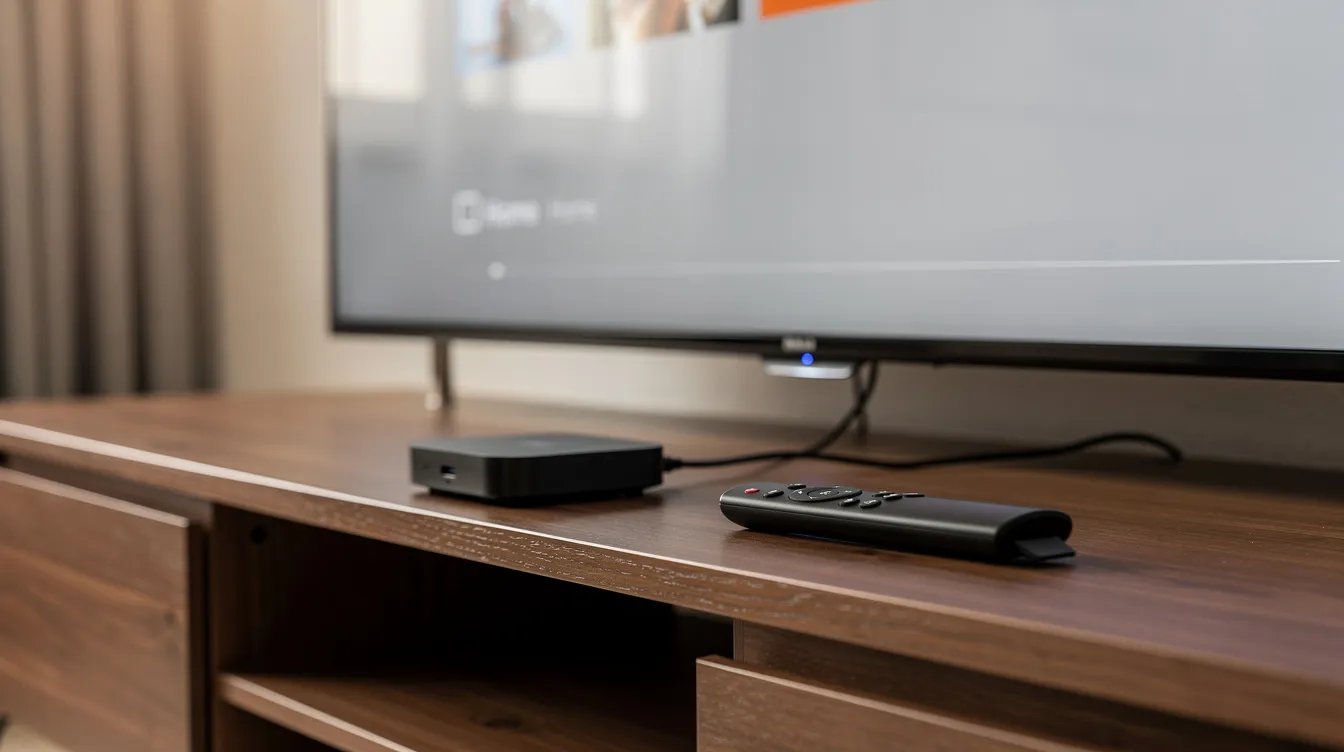
Think of an IPTV box as a small, purpose-built computer. It has a processor, memory, storage, and an operating system. IPTV boxes connect directly to your television via HDMI, and they require an internet connection to function. You control everything with a remote, which makes the experience feel familiar even if you’ve never used a streaming device. An IPTV box can enhance older televisions with internet-based television services, turning a basic HDTV into a capable media centre.
IPTV includes features like live TV, video on demand, and time-shifted TV (catch-up and replay). Common reasons people buy one:
-
Replacing or supplementing cable TV with more flexible, often cheaper, internet-based services.
-
Accessing international channels – especially useful pour households in France or elsewhere seeking content from loin, covering far-flung regions and languages not available on local cable.
-
Home cinema and streaming apps – Netflix, YouTube, Disney+, and more alongside live IPTV.
-
Multi-room setups – place a separate box on each TV without running new wiring.
-
Cost control – pick the services and apps you actually watch instead of paying for a bloated bundle.
This article is an educational guide, not a shop page. BestIPTV.blog does not sell devices directly. The goal here is to help you choose and set up the right IPTV box for your situation.
How an IPTV Box Works (Technical Basics in Simple Terms)
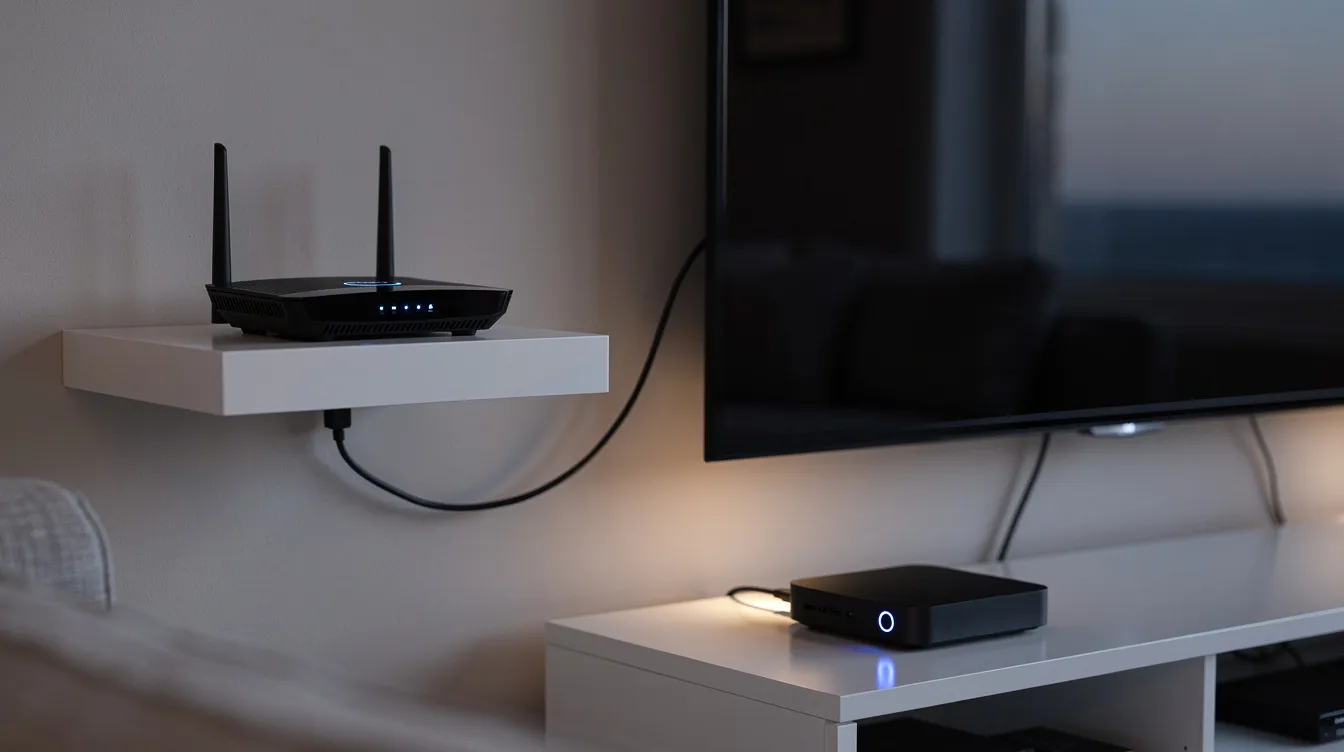
Your IPTV box acts as a bridge between three things: your television, your home router, and the IPTV or streaming apps that deliver content. IPTV operates on an on-demand packet-switched network model, meaning video data travels in small packets across the internet rather than through a dedicated broadcast signal.
Here is the data flow in simple terms. Content providers encode video feeds and store them on remote servers. When you select a channel or movie, the stream travels from those servers through the internet, into your home router, and then to the IPTV box via Ethernet cable or Wi-Fi. An IPTV box decodes digital signals into video and audio formats your TV can display, then sends the picture through HDMI to your screen.
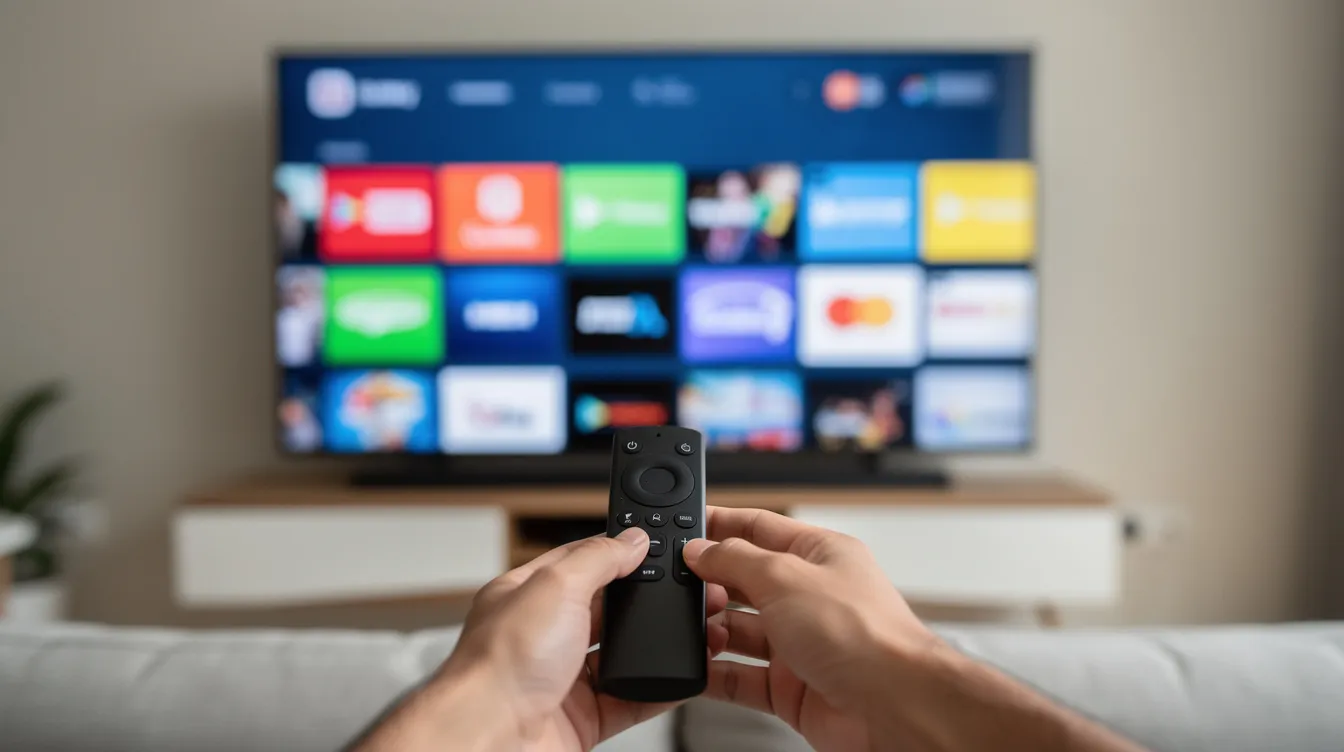
The operating system of an IPTV box dictates app compatibility and user experience. Most boxes run Android TV, Google TV, or a custom Android 12/13 build. On top of that OS, you install IPTV apps – popular choices include IPTV Smarters, TiviMate, and VLC – which handle your channel lists, electronic programme guide (EPG), and playback. They allow installation of applications for streaming content well beyond live TV.
Connectivity matters more than many buyers realise:
-
Ethernet (wired) – most stable option, especially for HD and 4K live streams.
-
Wi-Fi 5 (802.11ac) or Wi-Fi 6 (802.11ax) – convenient and increasingly rapide on modern routers, though susceptible to interference.
-
Bluetooth – used for wireless remotes, voice control, and headsets.
-
HDMI 2.0 or 2.1 – required for 4K output at 60 Hz; HDMI 2.1 adds features like ALLM and VRR for compatible TVs.
Compared to built-in Smart TV apps, an external IPTV box typically receives software updates longer, runs a faster processor, and imposes fewer restrictions on which apps you can install.
Main Types of IPTV Boxes Available in 2026
The term “IPTV box” covers several device families, each with different strengths and price points. They are compatible with all IPTV service providers, but the experience varies depending on the hardware you pick.
-
Android TV / Google TV boxes and sticks – Examples include the Nvidia Shield TV Pro and le Chromecast with Google TV 4K. These run a certified Android OS with access to the Google Play Store, broad app support, and regular updates. Pros: wide app ecosystem, AV1 hardware decoding on newer models, good update cadence. Cons: higher cost for premium models, larger form factor on some boxes.
-
Dedicated IPTV decoders (MAG boxes, Linux-based devices) – Often delivered preconfigured by IPTV operators. Pros: turnkey setup, simple remote-driven interface. Cons: limited third-party app support, fewer firmware updates, less powerful hardware overall.
-
Multipurpose streaming dongles – The Fire TV Stick 4K Max and similar compact sticks plug directly into your TV’s HDMI port and can run IPTV apps from the Amazon Appstore or sideloaded. Pros: low cost, minimal desk space, decent codec support. Cons: limited storage, no Ethernet port on most models without an adapter.
-
Smart home / media hub boxes – High-end devices with large storage (e.g., 16 GB RAM + 256 GB), powerful SoCs, and expanded connectivity. Aimed at home cinema setups that also serve as local media libraries. Pros: future-proof specs, excellent decoding and output. Cons: higher price, larger size, more power consumption.
Key Criteria for Choosing the Right IPTV Box
Hardware choice impacts picture quality, app compatibility, and streaming stability more than many newcomers expect. Use this checklist when comparing IPTV box specifications online or in-store.
-
Processor and RAM – Look for a modern quad-core ARM chip. A minimum of 2 GB of RAM is recommended for smooth IPTV performance, but 4 GB gives noticeably more headroom for multitasking and heavier apps.
-
Storage – 8 GB is the bare minimum pour basic IPTV use. If you plan to install many apps or store local media, aim for 32 GB or more.
-
Video output – Most IPTV boxes support 4K video output. Prioritise hardware decoding of H.265/HEVC (now universal) and AV1 (increasingly common on 2025–2026 SoCs like the Amlogic S905X5). AV1 offers roughly 30 % bitrate savings over HEVC at equivalent visual quality, which translates to smoother streams on the same internet speed.
-
Connectivity – Ethernet connectivity is preferred for stable IPTV streaming, particularly during live sports. Wi-Fi 5 or Wi-Fi 6 at 5 GHz is acceptable if wiring isn’t practical. HDMI 2.0 is the minimum for 4K at 60 Hz; HDMI 2.1 future-proofs you for higher refresh rates et features like eARC.
-
Software ecosystem – Certified Android TV or Google TV devices generally ship with proper licensing for services like Netflix in 4K, YouTube, and so on. Generic “tablet Android” boxes may lack these certifications. Sideloading is possible but should be approached with caution.
-
Ergonomics – A well-labelled remote with dedicated power, home, back, and volume buttons makes daily use far easier. Voice control and CEC support (letting the box power your TV on or off) are valuable for older users or multi-device setups.
IPTV Box vs le Chromecast, Smart TV Apps, and Game Consoles
Many readers already own a device that can stream video and wonder whether a dedicated IPTV box adds anything. Here is a quick comparison.
-
IPTV box vs le Chromecast with Google TV – Both run Android-based apps, but a standalone IPTV box often provides more storage, more RAM, additional ports (Ethernet, USB), and sometimes better thermal management. Le Chromecast excels in compactness and price, but may feel limited for power users.
-
IPTV box vs built-in Smart TV apps – Smart TVs are convenient out of the box, yet their hardware ages quickly. Older models stop receiving OS updates, their app catalogues shrink, and processors struggle with newer codecs. An external IPTV box sidesteps all of these problems and is far cheaper to replace than a whole TV.
-
IPTV box vs game consoles (PlayStation, Xbox) – Consoles deliver powerful hardware and good video output, but they draw more energy, run louder cooling fans, and offer fewer IPTV-specific apps. Their interface is optimised for gaming, not channel surfing.
-
When an IPTV box clearly wins – If you have an older HDTV with an HDMI port but no smart features, need a multi-room setup, or simply want a dedicated, quiet, remote-driven viewing experience, an IPTV box is the most practical choice.
Understanding IPTV Subscriptions (abonnement IPTV) and Legal Considerations
The IPTV box itself is perfectly legal hardware – just like a TV or a router. What matters legally is the abonnement IPTV you pair it with.
A typical IPTV subscription provides:
-
Live TV channels (national, international, sports)
-
Video on demand (movies et series libraries)
-
Catch-up / replay / time-shifted TV
-
An electronic programme guide (EPG)
-
Varying levels of streaming quality (SD, HD, 4K)
IPTV technology is legal when used with authorized service providers. However, offers that bundle thousands of premium channels for an unusually low annual fee often lack proper content licences. Risks include:
-
Legal exposure – ISP warnings, blocked streams, or penalties depending on your jurisdiction.
-
Security threats – Unlicensed services may bundle malware, phishing portals, or unreliable servers.
-
Instability – Channels may vanish overnight if the provider is shut down.
What to look for in a legitimate provider: a clear company identity, transparent terms of service, explicit country availability (including whether they serve France et other EU markets), responsive support channels, and published refund or trial policies.
BestIPTV.blog publishes educational content, comparisons, and provider discovery guides. The blog does not operate or resell any IPTV service. Always double-check current terms, pricing, and licensing directly on a provider’s official site before subscribing.
Setting Up Your IPTV Box Step by Step
This generic setup flow applies to most Android TV, Google TV, and Fire OS IPTV boxes. Follow a complete guide for installing IPTV on Android boxes by working through each step below.
-
Physical connection – Connect the IPTV box to your TV and internet. Plug the HDMI cable into your TV, connect the power adapter, and – where possible – run an Ethernet cable from your router to the box. If Ethernet isn’t practical, you’ll configure Wi-Fi in the next step.
-
Initial system setup – Power on the box, select your language and time zone, then sign in with your Google or Amazon account. Accept any pending software updates. Set the display resolution to match your TV (1080p or 4K).
-
Network configuration – If using Wi-Fi, scan for your network name (SSID), enter the password, and connect. Prefer the 5 GHz band for less congestion and faster throughput.
-
Install an IPTV app – Open the official app store and search for a well-known IPTV client. Popular options include IPTV Smarters, TiviMate, Smart IPTV, or VLC. You can also use IPTV Smart Player for accessing channels. Avoid downloading APKs from unverified websites.
-
Add your subscription credentials – Depending on what your abonnement IPTV provides, enter an M3U playlist URL, Xtream Codes–style login (server URL, username, password), or import a playlist file. Configure the EPG URL if your provider supplies one, so channel listings appear with programme names and times.
-
Optional tweaks – Enable hardware decoding in the app’s settings to reduce CPU load. Increase the buffer size if your connection fluctuates. Sort channels into favourites and hide categories you don’t watch to keep the interface clean.
Popular Categories of IPTV Boxes in 2026 (With Concrete Examples)
Rather than listing every model on the market, here are the main device categories you’ll encounter in 2026, grouped by use case.
-
Compact streaming sticks – Devices like the Fire TV Stick 4K Max (Wi-Fi, approximately 8–16 GB storage, 2 GB RAM, 4K output with AV1 decode) and comparable Google TV sticks. Ideal for bedrooms, guest rooms, or anyone wanting a minimal-footprint setup. Most IPTV boxes in this class support 4K video output.
-
Mid-range Android TV boxes – Typically built around SoCs like the Amlogic S905X4 or S905X5, offering 16–64 GB storage, 4 GB RAM, Wi-Fi 6, Bluetooth, and 4K HDR10 output. These are compatibles with a wide range of IPTV apps from the Play Store and handle mixed IPTV and general streaming comfortably.
-
High-end media boxes – Flagship devices with specs like 16 GB RAM, 256 GB storage, Android 13 or 14, HDMI 2.1, Dolby Vision, and AV1 hardware decode. Some newer Google TV boxes even allow storage expansion via microSD cards. Built for home cinema enthusiasts who also store local media libraries.
-
Operator-branded boxes – Provided by fibre or cable companies (common in France and across Europe), these come preloaded with the operator’s apps and EPG. They integrate tightly with the provider’s channel lineup but offer less flexibility for installing third-party IPTV apps or switching services.
Optimising Picture Quality and Streaming Stability on an IPTV Box
Even a powerful IPTV box can stutter or display artefacts if the network or settings aren’t right. Streaming quality is influenced by internet speed and device capabilities, so both sides need attention.
-
Network first – Use wired Ethernet wherever possible. For HD (1080p), plan for at least 5–10 Mbps of stable bandwidth; for 4K, aim for 20–30 Mbps. Avoid running heavy downloads or uploads on the same connection while streaming live content.
-
Box display settings – Match the output resolution to your TV’s native panel (1080p or 4K). Enable “match frame rate” if your box and TV support it – this prevents judder during sports broadcasts at 50 or 60 Hz. Turn on hardware decoding in your IPTV app to offload video processing from the CPU to the dedicated decoder.
-
Router-side improvements – Place the box within strong Wi-Fi coverage. Use the 5 GHz band when 2.4 GHz is congested. Update your router’s firmware regularly, and enable Quality of Service (QoS) to prioritise the IPTV box’s traffic if your router supports it.
-
Troubleshooting buffering – Work through these steps in order:
-
Restart the IPTV box and router.
-
Switch between wired and wireless to isolate the issue.
-
Lower the stream resolution (e.g., from 4K to HD).
-
Try a different player engine inside the app settings.
-
Check the provider’s status page or contact their support.
-
Security, Privacy, and Best Practices When Using an IPTV Box
An always-connected IPTV box deserves the same security attention as a smartphone or laptop. Here is a concise checklist.
-
Keep firmware and apps updated. Look for devices that offer regular security updates and reliable support. Patches fix vulnerabilities and often improve performance.
-
Stick to official app stores. Installing unknown APKs from random websites is one of the fastest ways to introduce malware. If sideloading is necessary, use only verified, reputable sources.
-
Protect your accounts. Use strong, unique passwords for your IPTV portals and your Google or Amazon account. Avoid sharing credentials broadly – most services limit simultaneous connections for a reason.
-
Review app permissions. An IPTV app rarely needs access to your microphone, camera, or precise location. Grant only the permissions that make sense for what the app does.
-
Consider privacy implications. Streaming apps and IPTV providers may log metadata such as which channels you watch, when, and from which IP address. Read privacy policies, especially for lesser-known services.
When to Upgrade Your IPTV Box and How to Future-Proof Your Next Purchase
Most IPTV boxes receive meaningful OS and security support for roughly three to six years. After that window closes, app compatibility erodes, newer codecs go unsupported, and performance degrades.
Signs it’s time to replace your box:
-
IPTV or streaming apps no longer update or crash frequently.
-
4K streams stutter despite adequate internet speed.
-
The OS version is too old to install current apps.
-
No hardware support for newer codecs like AV1.
Future-proofing tips:
-
Prioritise AV1 hardware decoding, HDMI 2.1, and Wi-Fi 6.
-
Choose at least 4 GB RAM and 32 GB storage for comfortable headroom.
-
Pick a certified Android TV or Google TV device for longer software support and broader app compatibility.
-
If you plan to use the box as a full media centre – not only for basic live TV – buy with extra storage or expandable storage options.
A well-chosen IPTV box, combined with a suitable and legal abonnement IPTV, can replace or complement traditional satellite and cable TV while giving you more control over what you watch and what you pay. Before purchasing anything new, take stock of what you already have: your TV’s HDMI version, your broadband speed, and the streaming apps you actually use. That simple audit will point you toward the right device – and away from spending money you don’t need to.
Service information
Promotional links: If you are considering an IPTV service, review current information from GreatestIPTV or StrimoIPTV. Confirm availability, device compatibility and terms directly with the provider before choosing a service. These links are promotional, not an independent recommendation or verification of the provider.
Leave a Reply